
Re Snowden {1979}

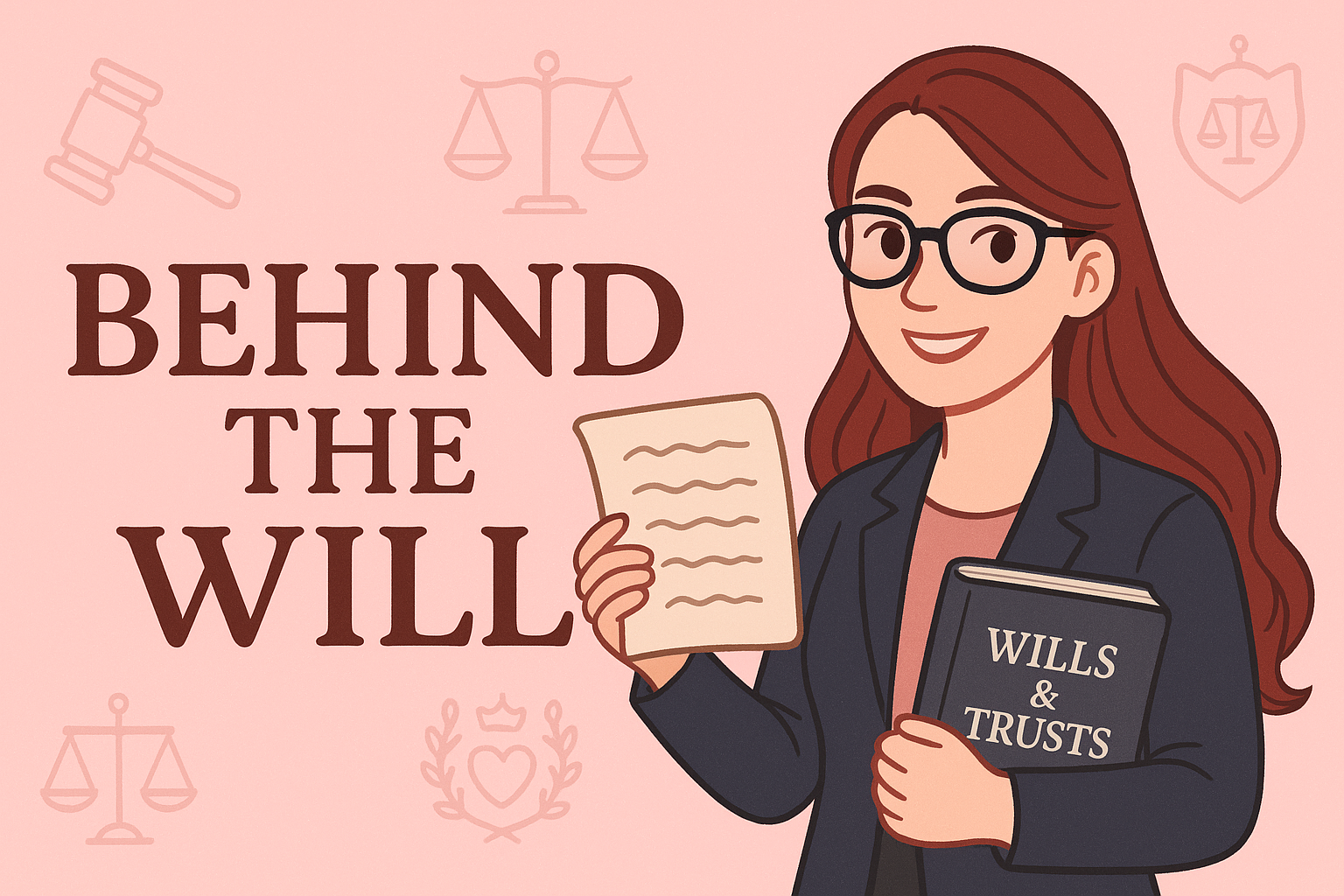
🔍 Behind the Will: Re Snowden [1979] Ch 528 – When a Promise Becomes a Trust
This week’s Behind the Will dives into Re Snowden [1979] Ch 528, a leading case on secret trusts — those mysterious arrangements where a testator leaves property to someone on the understanding that they’ll pass it on according to confidential instructions.
⚖️ Case of the Week: Re Snowden [1979] Ch 528 – “She Knows What To Do”
Mrs Snowden left her estate to her brother, writing in her will that she was “leaving it to him as he knows what to do.” After her death, questions arose: what exactly did he know to do?
Her relatives argued that this phrase created a secret trust — that the brother had been entrusted with passing the money to specific beneficiaries under an unwritten promise.
However, the High Court (and later the Court of Appeal) held that no secret trust was created. The words were too vague to impose a binding obligation, and there was no clear evidence of an intention to create a trust.
As Megarry V-C explained, a secret trust requires (1) intention, (2) communication, and (3) acceptance — all proven to a high standard. Mrs Snowden’s statement suggested moral confidence, not legal duty. The brother therefore inherited the estate absolutely.
🔑 Key Takeaways:
1. Moral Obligation ≠ Legal Obligation:
Expressions of trust or confidence must be clear and specific — sentiment alone won’t create a binding trust.
2. Secret Trusts Survive the Wills Act:
Despite their informal nature, courts will enforce them when proven, to prevent “fraud on the testator.”
3. Precision Is Essential:
A testator’s intention must be clearly communicated and accepted by the trustee before death.
4. The Equity of Conscience:
Re Snowden reminds us that equity intervenes only when conscience demands it — not to fill gaps in vague promises.
💬 Practical Tip for Practitioners:
If clients wish to leave property under confidential arrangements, record the trust terms separately and confirm acceptance in writing. A little clarity now can prevent years of uncertainty later.
Stay tuned for next week’s Behind the Will post, where we’ll explore another unusual case showing how equity, emotion, and intention intertwine in the law of wills.