“When Families fight: what modern will disputes teach us about law and love”

Family, money, and grief! Three things that rarely mix well. In recent years, inheritance disputes in England and Wales have surged, and it’s not just about money. Behind many of these cases are broken promises, complicated relationships, and a deep sense of unfairness.
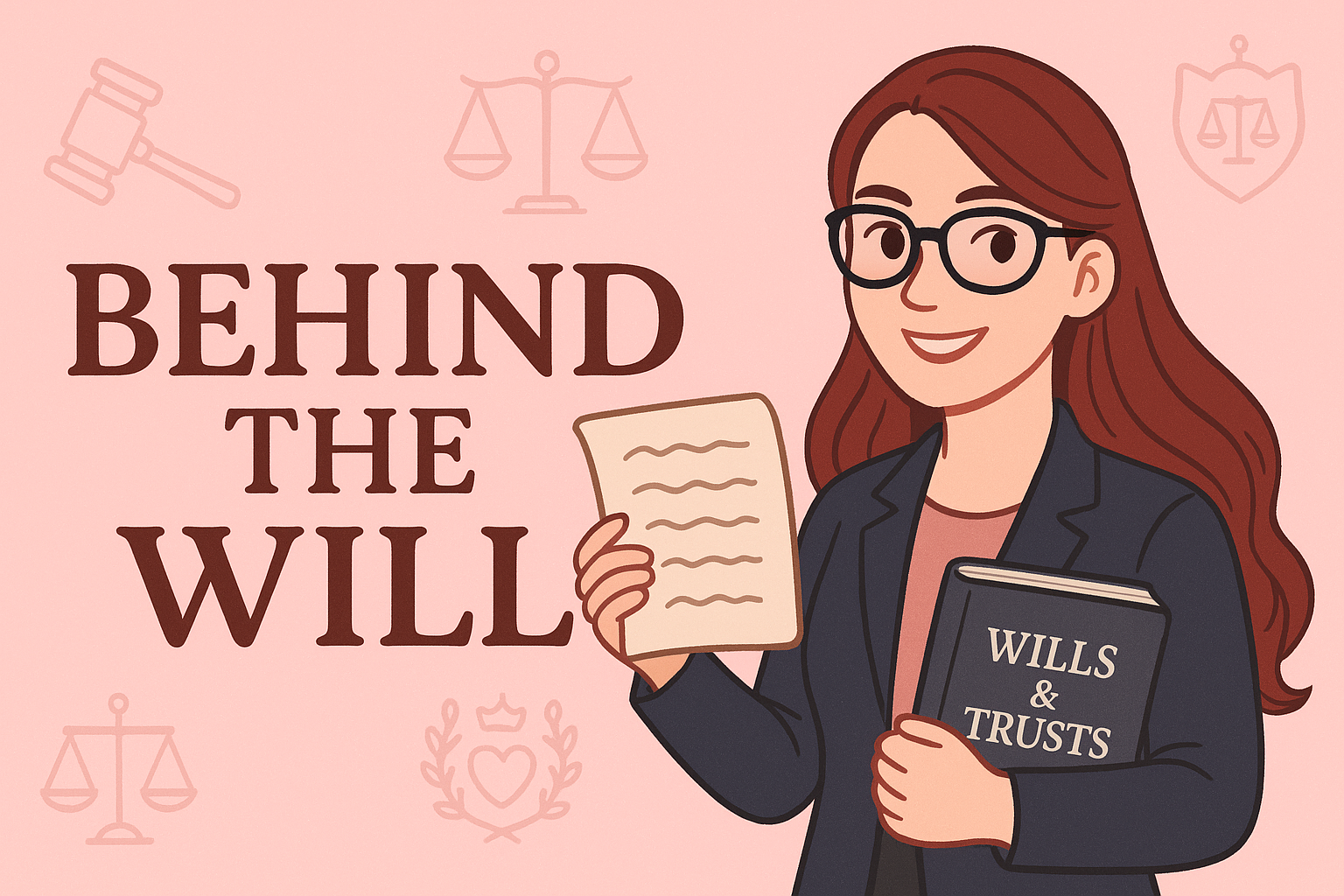
As someone interested in private client law, I’ve realised that these disputes reveal a lot about how human emotion and legal reasoning collide. The law tries to bring order, but when family is involved, things are rarely straightforward.
Why Are So Many Wills Being Challenged?
Modern families are more complex than ever: second marriages, stepchildren, estranged relatives, and cohabiting partners all create potential conflict. The Ministry of Justice has reported a steady rise in claims under the Inheritance (Provision for Family and Dependants) Act 1975, where someone argues they haven’t been left “reasonable financial provision.”¹
But in truth, many of these cases aren’t about money at all — they’re about recognition. People want to feel remembered, valued, and treated fairly. When they don’t, courtrooms often become the battlegrounds for family history.
Recent Cases That Show How Personal These Disputes Can Be
1. The Power of Evidence – Rea v Rea [2024] EWHC 185 (Ch)
In Rea v Rea, a mother left most of her estate to one daughter, excluding her other children. Naturally, they challenged the will, claiming undue influence. The court disagreed, finding clear evidence that their mother knew exactly what she wanted.²
What made the difference? The solicitor’s detailed notes and independent advice. It’s a great reminder that thorough record-keeping isn’t just good practice — it can decide a case.
2. Fairness Isn’t a Legal Right – Miles v Shearer [2021] EWHC 1000 (Ch)
In this case, two adult daughters claimed their father’s will was unfair because he left them nothing. The court dismissed their claim, explaining that financial independence meant they didn’t “need” provision under the 1975 Act.³
It’s a harsh truth: the law doesn’t guarantee emotional fairness. You might think a will is “unfair,” but that doesn’t mean it’s unlawful.
3. Broken Promises and Family Farms – Guest v Guest [2022] UKSC 27
This one could be straight out of a novel. A son spent years working on the family farm, relying on his parents’ promise that it would one day be his. When they changed their minds, he sued — and won.⁴
The Supreme Court found that his reliance on those promises gave him legal rights through proprietary estoppel. In other words, sometimes family promises do become legally binding.
What These Cases Teach Us
If there’s one thing these disputes show, it’s that clear communication beats courtroom drama. Many of these conflicts could have been avoided if families had talked openly, or if solicitors had encouraged clients to record their reasoning.
Good estate planning isn’t just about who gets what — it’s about preventing future heartbreak. Solicitors can help by:
- Keeping thorough notes to show the testator’s independence and intentions.
- Encouraging honest family discussions before a will is finalised.
- Using letters of wishes to explain decisions and guide executors.
- Considering lifetime gifts or trusts to minimise potential disputes.
Final Thoughts
Will disputes aren’t just legal battles — they’re stories about love, loyalty, and loss. As a law student, I find them fascinating because they show the human side of law: how principles like capacity, fairness, and reliance play out in real families.
They remind us that behind every legal claim is someone who feels wronged — and that sometimes, the best legal advice isn’t about what’s right in law, but what’s right for the family.
References
- Ministry of Justice, Family Court Statistics Quarterly, England and Wales, January to March 2024 (Gov.uk, 27 June 2024).
- Rea v Rea [2024] EWHC 185 (Ch).
- Miles v Shearer [2021] EWHC 1000 (Ch).
- Guest v Guest [2022] UKSC 27, [2023] AC 411.